Digitalization of music has made CD’s and tapes of music obsolete. The internet has led to music being available online for practically everyone. This poses the question as to how digitalization has affected the music industry and whether it is positively or negatively.

Connectivity vs control is one of the dimensions mentioned is a good example as to why the importance of physical music has been drastically reduced. Almost all my friends will listen to music digitally through an app such as Spotify or iTunes. The only time we would listen to music through other means would be the radio in the car and even that would be rare as being able to choose the song you want to listen to is much more convenient.
The removal of the need for physical goods in the music industry has made it difficult to charge a profitable amount for an individual track. Service vs product is another dimension spoken about in Patrick Wikstrom’s reading and service is something businesses can provide in order to profit from the music industry in our current modern society. Spotify is a great example of this as there is an abundant amount of music on its database and people pay for its convenience, accessibility (offline access), speed and many more features.
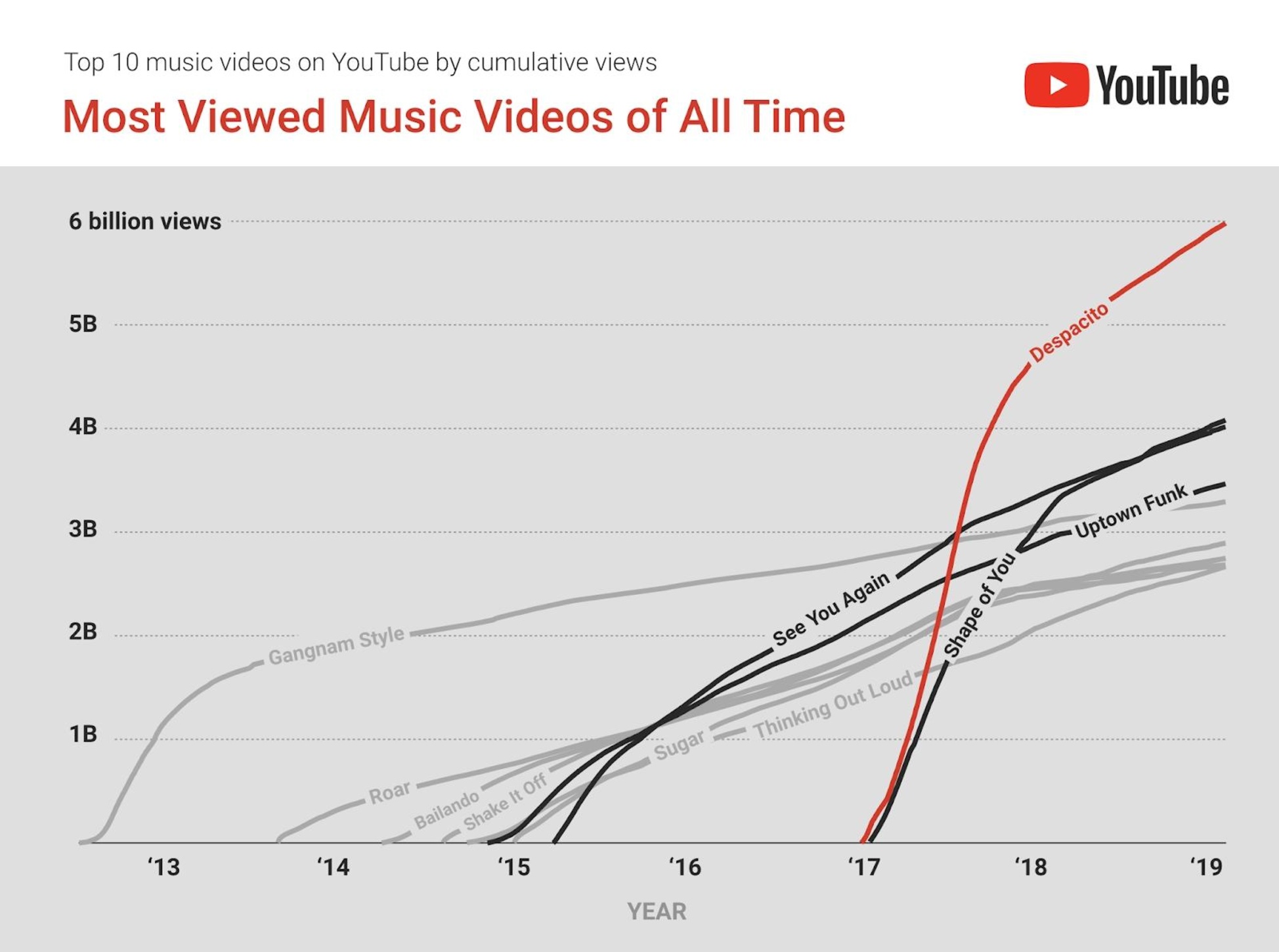
Programs such as Soundcloud have allowed for ‘non-professionals’ in music to create, remix and publish content online. Amateur vs professional is the final dimension Patrick speaks about and how the amateur musician has increased creativity due to digitalization. Music will be easier to create and will have more visibility in our current age. A good example would be Justin Bieber who rose to fame through a YouTube clip. One of his many achievements is his work in the track “Despacito” which is currently the most viewed YouTube clip.

 Joe's Blog